In modern poker games, players often look for ways to add excitement and strategic depth to their gameplay. One such option is the straddle, a voluntary blind bet placed before cards are dealt, which can significantly change table dynamics. A straddle德州扑克 is becoming a commonly discussed concept among players who want to understand both the advantages and challenges of this move. While it can increase pot size and action, it also introduces additional risk and strategic complexity. Learning how and when to use it effectively can help players adapt to different table situations and improve overall decision-making skills.
Understanding Straddle in Poker
A straddle is a voluntary blind bet placed before cards are dealt, usually from the player sitting under the gun or in a designated position depending on game rules. It typically doubles the big blind and effectively increases the stakes of the hand. By doing so, it creates a larger starting pot and shifts the action dynamics, often giving the straddle the advantage of acting later in subsequent betting rounds. However, it also commits more chips pre-flop, making it a bold and aggressive strategic choice.
Key Benefits
Using a straddle in poker can offer several strategic and psychological advantages when applied in the right game environment.
- Increased pot size: A straddle boosts the pot, creating more value in winning hands and encouraging engagement from all players.
- Table image advantage: Players who straddle are perceived as aggressive, influencing opponents’ decisions and opening bluffing opportunities.
- Positional flexibility: The straddle can shift table dynamics, allowing the straddle to gain improved relative positioning in post-flop action.
- Encourages larger action: It leads to looser play at the table, increasing overall action and making the game more dynamic and exciting.
Potential Risks
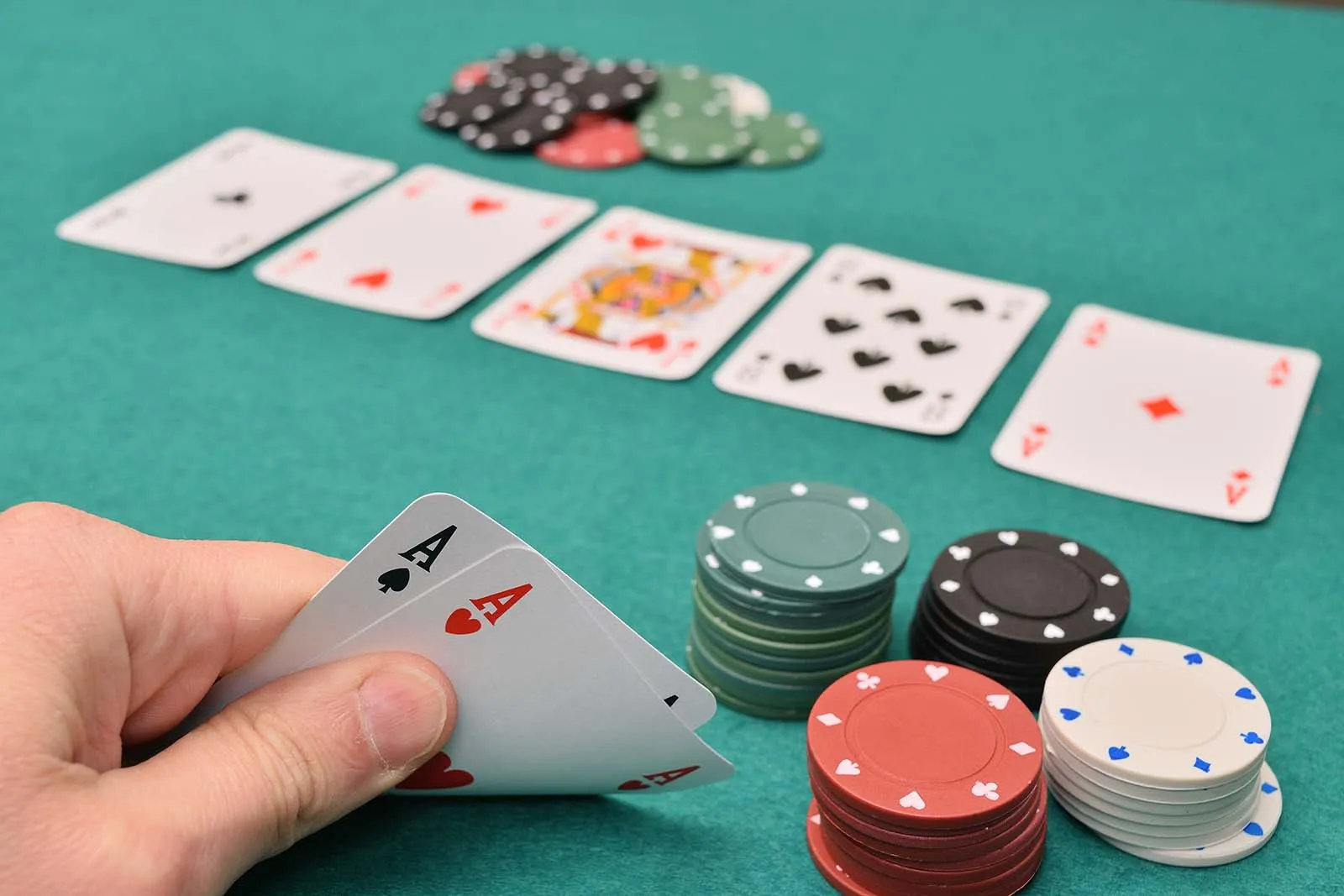
Despite its advantages, the straddle also comes with several important risks that players should carefully consider before using it regularly.
- Higher financial exposure: Since the straddle increases the forced bet size, players risk losing more chips without seeing their cards.
- Positional disadvantage: Straddling can place the player in an early or awkward position after the flop.
- Increased variance: Larger pots lead to higher swings in outcomes, making the game less predictable and more volatile.
- Table dependency: Straddles are not always effective, as their value depends on table composition, player tendencies, and game flow.
Smart Usage Tips
To use the straddle effectively, players should focus on timing, table awareness, and disciplined decision-making. It works best in loose and aggressive games where opponents are more likely to call and raise, increasing potential value. However, it should be avoided in tight or passive environments where the added risk outweighs the benefit. Maintaining balance and not overusing the straddle helps prevent predictability. Strategic application ensures it remains a tool for enhancing gameplay rather than simply increasing risk.
Conclusion
Exploring the benefits and risks of a straddle in poker shows how it influences game dynamics. When used wisely, it enhances action and strategy, but careless use increases volatility. A balanced approach keeps it a valuable tactical option.
Categories: Poker
